
Let me paint you a picture of the “normality” most of us choose to live in:
You wake up in the morning – most days using an alarm that stresses your nervous system out like a war siren. Snooze it at least a few times, each time getting harder and harder to avoid the reality that you were supposed to be out of bed long ago. Each alarm rings as another stressor alerting your body that “something is wrong.” Until you’re physically woken up, but mentally not there yet, totally unprepared for the day to come. Not the ideal approach to waking up, but let’s consider it “necessary.” After you’ve finally opened your eyes, you’ll sluggishly stay in bed for the next few minutes.
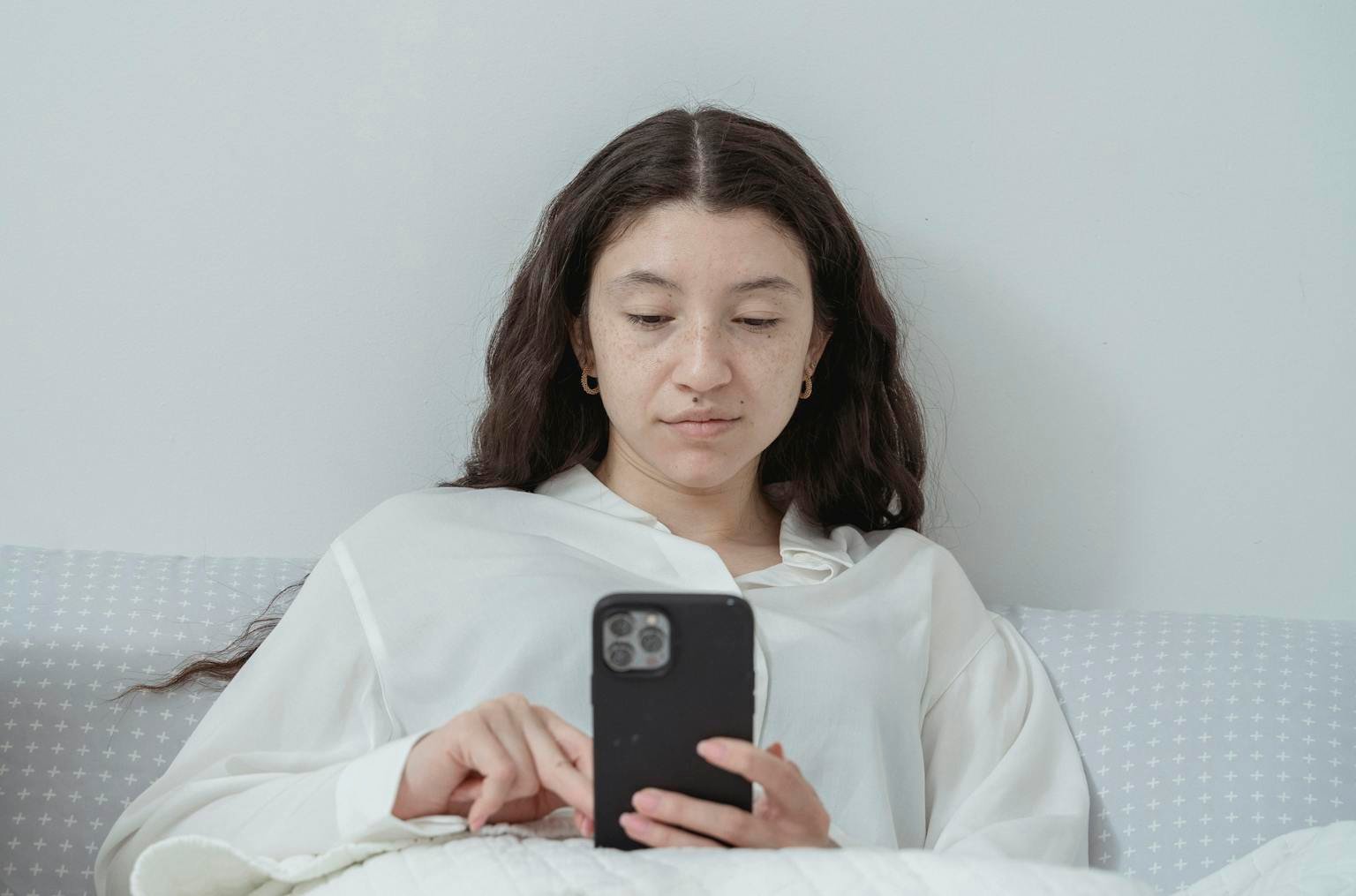
And this is the moment you make the most important decision of how the day starts.
I think you know where we’re headed. You reach for your phone (if it hasn’t stayed in your hand already after switching the alarm off). Then, you unconsciously start scrolling, checking your messages, looking at all notifications, apps, etc. – rushing for that quick dopamine hit. Suddenly, it’s been a minute, or 30 minutes…and you’re lost. “But I use it to wake up.” Yeah, neither your body, nor brain needs that “to wake up”. You’re using it to avoid life, responsibilities, or real emotions. If not that, it’s worse – you’re using it because you’re hooked.
This might sound a little harsh, but can you be completely honest with yourself and answer those simple questions: “Am I taking good care of myself? Do I feel inspired, fulfilled, happy? Am I being present?” If the answer is positive, how can you still spend the very first 30 minutes or so of your day indulged in the digital world, silently escaping the wonderful life that’s right in front of you? I didn’t think so…
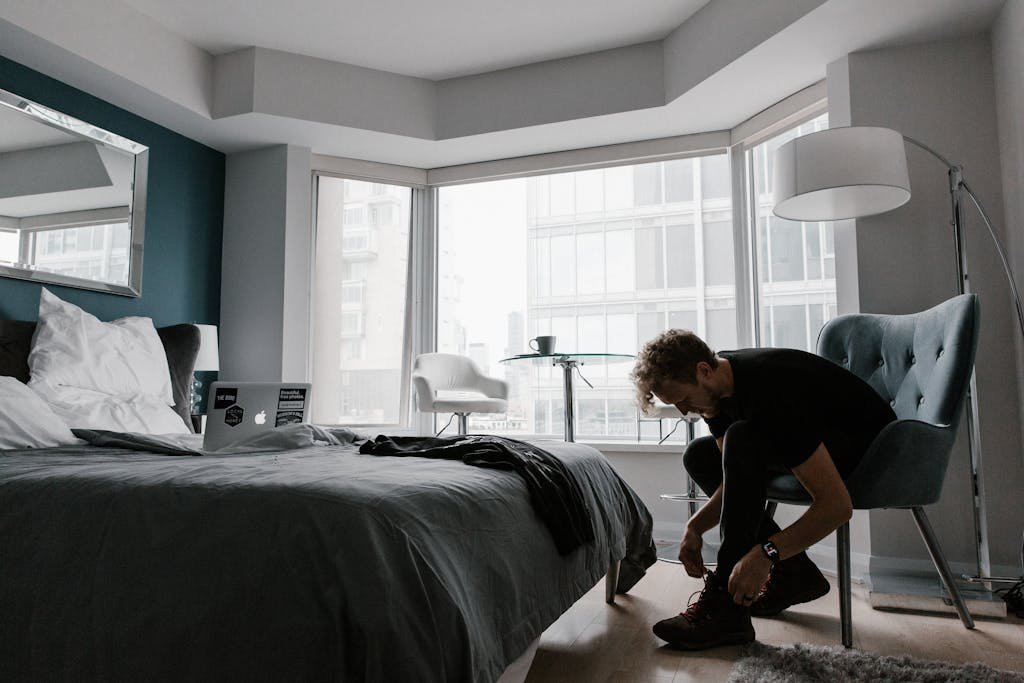
Then you continue your day “normally”.
When it’s finally time to get out of the bed, you probably feel so angry and drained already, even though it’s only been a while since you woke up. You continue with the typical tasks – make your bed, brush your teeth, do all your morning routine (I hope you have one) and get to work. Breakfast is either skipped or eaten on the go, hastily, without much attention to the taste, nor the feeling, nor the texture of the meal. We just need to put some calories in to avoid drinking our coffee on an empty stomach.
Most probably breakfast goes hand in hand with some more watching YouTube shorts or doom scrolling. Our hormones are already going crazy from the stressful wake up, the digital dopamine rush, then deprivation, and on top of that we just keep on torturing our bodies with our crazy breakfast choices. Not to mention the little details of how little we chew our bites, how much we overeat because we’re inattentive to the sensations of hunger and satiety. Seems like our perception of food has transformed from “a nurturing gift to replenish our bodies” into “just another habit.”
“The price of anything is the amount of life you exchange for it.”
Henry David Thoreau
What’s NOT Normal at All – A Checklist:
Here’s the harsh truth about the “low bar”: if you’re experiencing these, you’re not just “normal” – you’re in a survival state:
- Spending hours in social media doom scrolling.
- Waking up without energy, nor the desire to get out of bed.
- Eating fast food every day and not caring what you feed your body.
- Sleeping less than 6 hours on a regular basis.
- Drinking alcohol and/or smoking cigarettes every day.
- You often get sick and catch colds.
- Not taking care of your mental state and health.
- Using substances to make yourself feel better or feel anything.
The whole crazy rush continues
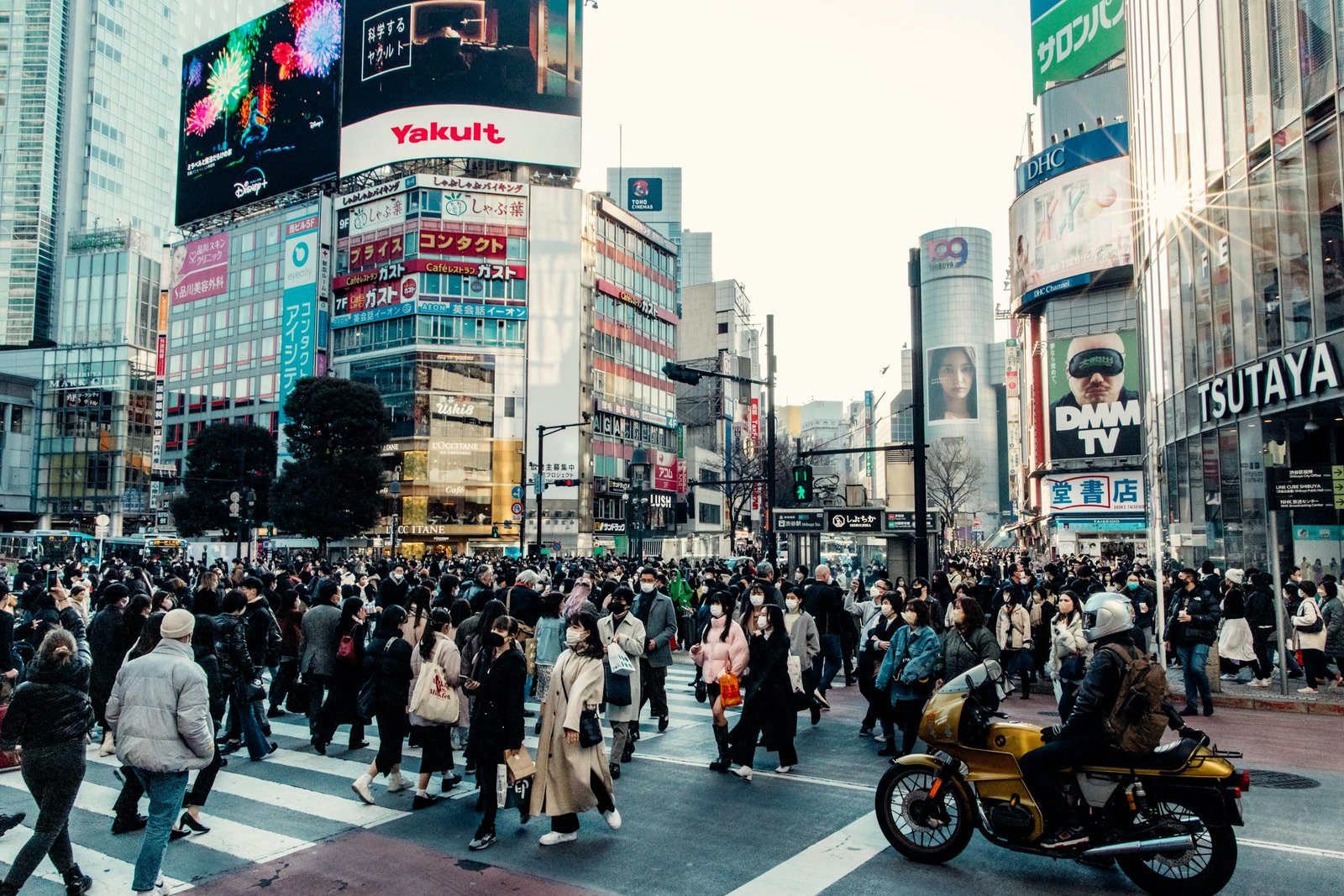
As we live such busy lives, we probably feel like we’re always late. So much time is wasted on unproductive and low value activities, that not much is left for the real deal. We lose focus on what’s important, then we feel unhappy that we never get to those things that truly make us glow. It’s the same paradox with our jobs. We choose a job to make a living, but it’s not always the thing we’re actually passionate about. So we get to work, maybe sometimes late, already in a bad mood from the usual morning activities, and even more irritated that we go to a place we’re sick of. How can we expect to be productive, or successful, or find a way to enjoy our day doing our job? There’s no way it’s going to happen.
The day goes by, fueled by external escapes: a few coffees, maybe a bunch of cigarettes. As if short breaks from time to time, will make getting through the day easier. As if the cigarette smoke will dim our feelings and everything wouldn’t feel that dull. As if the coffee will give us back the energy we lack, because we’re not taking care of ourselves. As if any of the above isn’t just our constant attempt to escape our lives. Nothing from the outside can or will raise our vibrations, nor will it make our physical state better. And even though deep down we know we can’t rely on those external factors, we keep on with the bad habits. We’ve set ourselves up for failure. Unconsciously, we know it. Unconsciously, this self-sabotage suits us because it grants us the convenient title of “victim”‘ We don’t need to take responsibility; failure is always external.

“It couldn’t be that bad?”
Let’s dive deeper on all other spectrums, not just how your typical “normal” day goes by. When did the bar get so low on actual social interactions and the way we communicate? Nowadays, a simple text message or a few count as “keeping in touch”. Seems like face to face conversations and spending time together is not considered as important enough, since we have all those social channels to text or watch each others’ Instagram stories. A brief, half-distracted meet-up over coffee is labeled as “quality time.” And if most of those conversations are related to “what someone else did” or the new top 5 things I need to complain about, then what are we doing exactly?
We’re settling for surface-level connection, nothing deeper or revealing, because true vulnerability and presence feel too draining. Maybe they also make us feel too scared, as we don’t have the capacity to hold space for one another and open the door to our most intimate world? Because “what if I’m rejected?”. What if I sound insane or no one understands me? All the “what ifs” that make us shut off from important topics actually keep our relationships shallow. This way we create the new “normal” in terms of communication. Then, when it’s not enough and we don;t feel seen, we complain. Well, didn’t we set up the scene for exactly that?

Our emotional world was never this messed up
I’ll leave the clinical spike in conditions like OCD, ADHD, and anxiety for an entirely separate article. “However, let’s examine our daily emotional state for a second. Beyond all those diagnoses, no matter what someone told us we are – depressed, melancholic, etc – when was the last time you truly tuned into your emotions? When was the last time you truly felt an emotion, understood its origin, and gave it the space to unfold – no judgment, no fear, no rushing to ‘fix’ the state? When was the last time… if ever?”
“We cannot selectively numb emotions. When we numb the painful emotions, we also numb the positive emotions.”
Brené Brown
Of course, we’re messed up. Of course, we don’t feel alright. Of course, we’re overwhelmed and have no direction to go. We’re completely tuned out from our inner world. We’ve accepted that the best way for dealing with stress is “not exploding.” We’d rather keep our anger within and keep allowing people to cross our boundaries, falsely believing that saying “No” means you’re not a good person. Until you’re too sick of the same story and wish to yell, so that they hear you.
However, raising your voice at someone is also badly perceived. That’s why you keep your mouth shut. And never keep your own back. Slowly and steadily you lose your trust in yourself, and start believing the illusions in your head. Of course you’ll feel low, unhappy, drained. And the vicious cycle never ends. This is how low the bar is. We don’t strive for peace or resilience; we just aim to keep the lid on our anxiety and overwhelm. We don’t strive for honest, real communication; we settle for mediocrity. We either become people-pleasers at all costs, or we swing to the opposite extreme – self-obsessed individuals who believe only their own well-being matters.

So how about taking your power back?
Firstly, as we came into this Earth, it was never promised to us that everything we do will bring us joy and excitement. Feeling like we’re victims of circumstance is a convenient excuse to maintain our patterns and avoid thinking beyond what we know and believe.
However, if we feel energetic and acquire such a mindset – we might turn things around. We have the power to make dull mundane tasks feel fun, or at least not too boring. But as we’ve already raised our stress levels so much, we’ve gotten a few times into the infinite loop of comparison observing the “perfect lives” advertised by social media influencers, and we haven’t taken a minute to tune in with ourselves, it’s inevitable to feel this low. It becomes the most “normal” thing. And we’ve probably been doing this same thing over and over again each day, feeding the vicious cycle of unhappiness and overwhelm.
We’ve gotten so far into this loop, that it drains all of our energy. There’s no striving for something better or different, simply because we lack the power to make a change. We use our little energy left to feed this cycle, because everything else means death. Our brain’s self-preservation mechanism perceives radical change as ‘death’ – a massive resource drain. It’s a smart system, but one that actively works against our liberation.
“It is no measure of health to be well adjusted to a profoundly sick society.”
Jiddu Krishnamurti
The bar is not “normal,” it’s a floor
The system is smart. Our brains are smart. But when we combine a survival-focused biology with a hyper-stimulating, profit-driven culture, the low bar for “normal” isn’t a benchmark – it’s a floor we’ve willingly collapsed onto.
We’ve mistaken numbness for stability and distraction for rest. We’ve accepted that feeling angry, drained, and perpetually behind is just “how life is.” But this isn’t normal. It’s a self-imposed scarcity of energy and attention. You are not a victim of your circumstances; you are a victim of your ingrained habits, and that means you hold the key to breaking them.
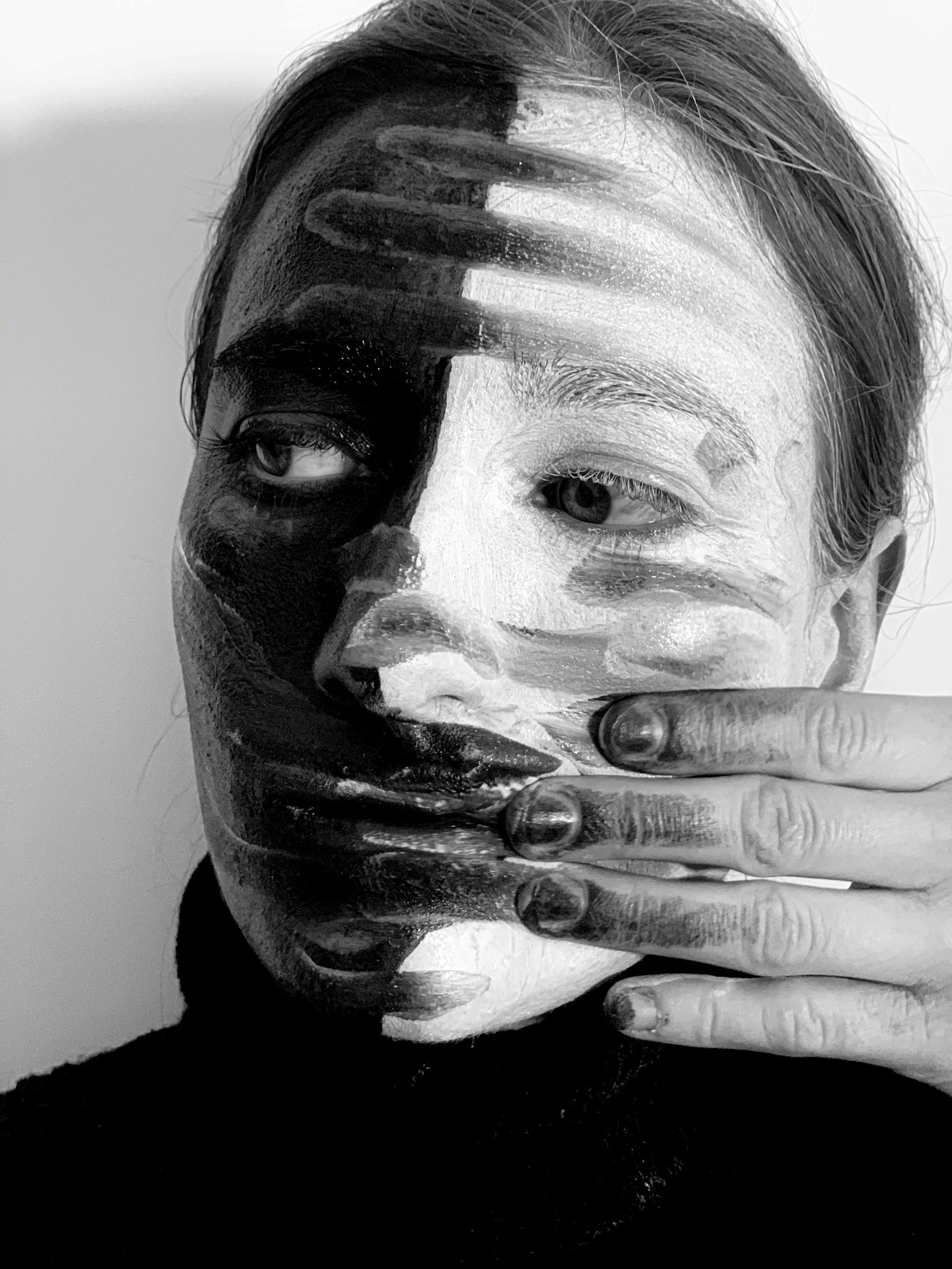
So, how low is the bar on feeling “normal” in today’s society?
It’s as low as you allow it to be.
The moment we stop relying on external validation, digital appreciation, and chemical escapes to get through the day, the moment we finally look up from the screen of our phone, we realize that creating a happy environment and a higher internal state aren’t impossible. It’s not about achieving some high-status life or showing up as the best; it’s about choosing a simple, fundamental presence.
It starts not by running faster, but by stopping:
- It’s a truly restorative night’s sleep.
- It’s choosing a mindful first breath over a mind-numbing scroll.
- It’s a meal eaten with attention and gratitude.
- It’s the radical willingness to feel a difficult emotion without immediately numbing it with a fix.
- It’s the courageous act of setting one small boundary today.
Taking back your power isn’t a massive overhaul; it’s a series of micro-decisions you take every single day. It starts with one small, intentional act that defies the low bar. It’s leaving your phone in the other room tonight. It’s letting the alarm ring once and simply getting up. It’s chewing your breakfast slowly. It’s paying attention to the food. It’s taking a deep breath consciously when you feel the stress arising. It’s choosing a high-value, small effort over a low-value, high-distraction escape.
Don’t strive for “normal.” Raise the bar by choosing presence, intention, and radical self-care. Start today. Start with the next minute. What is the one low-bar habit you will choose to drop right now?

Journal Prompts
Processing the Low Bar
- What’s the very first thing you do when your alarm goes off?
- How does this first action make you feel mentally (e.g., rushed, cloudy) 30 minutes later?
- What is one 5-minute activity you could replace it with that is genuinely nourishing?
Defining Your Own “Normal”
- What is one low-bar habit (digital, physical, or social) that you rely on to “cope”?
- What is the fear (e.g., rejection, not being enough) that keeps you from setting a key boundary?
- If you weren’t “normal,” what would a truly fulfilling day look like?
The Power of the Micro-Decision
- What is the single biggest energy drain in your afternoon?
- What is one intentional action you can commit to doing today to defy this low bar?
- How will you celebrate that small, high-value win tonight?